
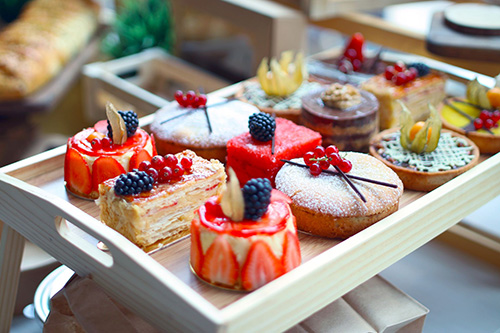
Wedding cake will always have a place at the reception table—but it no longer has to carry the entire dessert course by itself. Couples are increasingly treating dessert as one more opportunity to share their personalities, histories and favorite flavors. Think miniature pies made from a family recipe, a live crepe station, warm cookies served with cold milk or a colorful dessert display inspired by a favorite trip.
The best news? There is no single “right” way to serve dessert. You can choose one beautiful cake, offer a dozen different treats or combine a small ceremonial cake with a larger dessert experience for your guests. Whether your style is elegant, nostalgic, whimsical, seasonal—or a little of everything—there are plenty of fresh ways to end the celebration on a sweet note.
Keep the Cake—and Add a Little Variety
If you love the tradition of cutting the cake, keep it! A smaller-sized cake gives you that classic photo opportunity without requiring this particular indulgence to serve every guest. Surround it with a dessert table, supplement it with sheet cakes prepared in varied flavors, or send servers onto the dance floor with passed sweets later in the evening.
Cupcakes and mini cakes are still easy crowd-pleasers, but they can be displayed in more distinctive ways. Mix two or three flavors, add tiny personalized toppers, alternate floral and fruit garnishes or arrange them in a graduated tower. Individual cakes—each one just large enough for one guest or one couple to share—can also double as elegant place-setting details.
And remember: the wedding cake does not have to be towering or covered in elaborate fondant to feel special. A beautifully finished single-tier cake can make just as strong a statement. Hand-piped details, bold color, sculpted buttercream, playful dots, botanical decoration or a design inspired by a meaningful object can turn the cake into edible art.
Pies, Tarts and Cobblers
Pie brings an immediate sense of comfort to a wedding reception. Offer full-size pies in several flavors, create a display of hand pies or serve individual tartlets guests can easily pick up while mingling. Apple, cherry, peach, blueberry, pecan, chocolate cream and key lime provide a good mix of familiar choices, while flavors such as salted honey, bourbon maple or pear-cranberry add a fresh twist.
For a family-style feeling, place pies on cake stands of varying heights and invite relatives to contribute cherished recipes. Small cards can identify each selection: “Grandma June’s Apple Pie” or “The Pie We Shared on Our First Date.” Those little stories transform dessert into part of the couple’s history.
Warm cobblers and crisps are especially inviting for fall weddings. Serve them in ramekins or small cups with vanilla ice cream, whipped cream or cinnamon crème fraîche. Just be sure the caterer has a plan for keeping warm desserts warm—and frozen toppings frozen—until service begins.
Donuts, Churros and Other Handheld Favorites
Donut walls helped open the door to playful wedding desserts, and donuts remain easy to personalize. Display them on pegs, stack them into a tiered “cake,” package them in glassine bags or serve warm mini donuts tossed in cinnamon sugar. Include a few glazes and toppings that coordinate with your colors, or ask a favorite local donut shop to create a signature flavor.
Fresh churros are another high-energy option, especially when they arrive during the dancing. Pair them with small cups of chocolate, dulce de leche, berry sauce or espresso dip. Beignets, zeppole, funnel-cake bites and mini waffles can create that same just-made warmth and aroma.
For a relaxed reception, consider whoopie pies, moon pies, rice crispy treats, brownies, blondies or sandwich cookies. These familiar sweets become wedding-worthy with quality ingredients, beautiful presentation and one or two unexpected flavors.
Dessert Bars That Invite Guests to Play
Interactive food stations give guests something to do as well as something to eat. They encourage conversation, bring a sense of theater to the reception and allow everyone to customize a treat according to their own tastes.
Ice cream or sundae bar: Offer two or three ice cream flavors along with sauces, fruit, chopped nuts, cookie crumbles, sprinkles, whipped cream and cherries. A staffed cart or scoop station adds visual appeal and keeps portions moving. Gelato, frozen custard, soft serve or dairy-free sorbet can work just as well.
S’mores station: Provide classic graham crackers, marshmallows and chocolate, then add options such as peanut butter cups, salted caramel, lemon curd, chocolate-hazelnut spread or flavored marshmallows. Check with the venue before planning any open flame; tabletop electric roasters or safely prepared s’mores cups may be better choices indoors.
Cookie bar: Let guests choose from chocolate chip, snickerdoodle, oatmeal, shortbread, ginger molasses and other favorites. Add chilled milk, coffee or hot chocolate, and provide bags so guests can take a cookie for the road.
Build-your-own shortcake: Set out biscuits, pound cake cubes or sponge cake with berries, peaches, compotes, flavored whipped creams and sauces. This is colorful, seasonal and easy to adapt for gluten-free or dairy-free guests.
Cheesecake station: Offer individual cheesecakes or plain cheesecake bites with fruit, caramel, chocolate, lemon curd, crushed cookies and toasted nuts. Guests get the fun of decorating without the mess of cutting full-size cakes.
Crepe or waffle station: A chef preparing crepes to order adds motion and theater to the room. Sweet fillings might include berries, bananas, pastry cream, chocolate, caramel and mascarpone. Mini waffles can be served on sticks or in cones for easier mingling.
Chocolate-dipping station: Strawberries, pineapple, pretzels, marshmallows, pound cake and sandwich cookies can all be dipped and decorated. For smoother service, have an attendant do the dipping while guests select their toppings.
The key word is staffed. An unattended DIY station can quickly become crowded or untidy. Ask your caterer how many attendants are needed, how ingredients will be replenished and how the line will flow without interrupting dinner, games or dancing.
Mini Desserts: More Flavors, Less Commitment
Miniature desserts let guests sample several flavors instead of committing to one large slice. Their appeal reaches well beyond weddings: small-format sweets are gaining attention throughout the food world because they offer variety, visual impact and a satisfying bite without requiring an enormous portion. At a reception, they can also turn the dessert table into a colorful focal point.
Consider tiny cheesecakes, macarons, fruit tartlets, lemon bars, mousse cups, cannoli, cream puffs, chocolate truffles, panna cotta, mini tres leches cakes, pudding parfaits or tiramisu cups. Tiramisu is receiving renewed attention in wedding searches, but its real advantage is versatility: it can become a celebration cake, a generously spooned family-style dessert or an elegant individual serving.
For the most appealing assortment, vary the flavors, colors and textures. Pair something rich and chocolatey with something bright and citrusy; include a creamy selection, a fruit-forward choice and at least one crisp or chewy treat. Three carefully chosen minis often feel more satisfying than ten nearly identical options.
Let Texture Join the Flavor Conversation
Flavor matters, of course—but texture can be just as memorable. One of the broader movements in contemporary desserts is the pairing of soft, creamy or airy elements with something that snaps, crackles or crunches.
Ask your baker about adding praline, toasted nuts, crisp meringue, cookie crumble, caramelized phyllo, cacao nibs or delicate chocolate shards to a cake or plated dessert. A silky mousse becomes more interesting with a crisp wafer; panna cotta comes alive beside candied seeds or brittle; soft-serve ice cream benefits from a crunchy topping; and a tender cake layer can be transformed by a thin ribbon of feuilletine or nut crunch.
Even familiar desserts can play with contrast. Try warm pie with cold ice cream, chewy cookies with whipped cheesecake dip, crisp churros with velvety chocolate or pillowy marshmallows with snappy dark-chocolate bark. These combinations make each bite feel more complete—and give guests something deliciously unexpected to notice.
Desserts That Tell Your Story
A dessert becomes more memorable when it means something. Re-create a treat from your first date, feature a sweet from the city where you became engaged or highlight ingredients grown near your wedding venue. If your families or cultures have beloved dessert traditions, invite them into the celebration.
A globally inspired table might include baklava, brigadeiros, mochi, Mexican wedding cookies, gulab jamun, pizzelle, alfajores, pastelitos, ube treats, sesame cookies or cardamom pastries. These choices should feel connected to you—not simply borrowed because they look interesting. When appropriate, add a small sign explaining the dessert’s name and significance.
You might also create a “his, his, theirs” display—better yet, label it with your actual names!—featuring each partner’s favorite treat plus one you both love. Or name signature sweets after pets, places, shared jokes and favorite memories. Dessert is allowed to be charming.
A Little Nostalgia—with a Grown-Up Twist
Some of the most enjoyable wedding sweets begin with childhood favorites. Serve warm chocolate-chip cookies with espresso shots, gourmet ice cream sandwiches rolled in pistachios or sprinkles, homemade toaster pastries filled with seasonal fruit, elevated cereal treats dipped in dark chocolate or tiny banana splits in vintage glassware.
Cotton candy, snow cones and popsicles can be dressed up with botanical, citrus or cocktail-inspired flavors. A candy table can mix old-school favorites with custom labels and attractive jars. Even a milk-and-cookie moment can feel sophisticated when the cookies are freshly baked and the “milk” choices include vanilla bean, chocolate, oat milk and a coffee liqueur option for adults.
The goal is not to make every dessert formal. It is to choose something that sparks recognition, pleasure and maybe a story or two.
Wedding Cake Flavor Pairings Worth Savoring
Vanilla and chocolate remain classics for a reason, but classic does not have to mean predictable. Today’s wedding cakes often begin with a familiar base and add interest through fruit curds, preserves, infused buttercreams, toasted nuts, herbs, spices or a contrasting texture.
When selecting flavors, think in layers: the cake itself, the filling and the frosting should complement one another without competing. A bright filling can balance a rich cake; a lightly salted buttercream can keep a sweet combination from becoming overwhelming; a crisp layer of praline or cookie crumble can add welcome texture.
Here are combinations to consider:
Vanilla cake + raspberry preserves + vanilla bean buttercream
A timeless, crowd-friendly pairing with enough tart fruit to keep every bite lively.
Vanilla cake + passionfruit curd + coconut buttercream
Tropical without feeling overly theme-driven; especially lovely for a warm-weather celebration.
Almond cake + cherry filling + amaretto buttercream
Rich, fragrant and romantic. Ask whether the almond flavoring and liqueur can be adjusted for allergies or alcohol-free service.
Lemon cake + blueberry compote + elderflower buttercream
Bright and floral, with a soft garden-party feeling.
Lemon cake + raspberry filling + cream cheese frosting
Fresh, colorful and widely appealing. This combination works beautifully as a cake, cupcake or mini-layered dessert.
Orange cake + cranberry filling + vanilla bean buttercream
A vivid sweet-tart pairing that moves easily from late summer into the holiday season.
Coconut cake + lime curd + coconut-rum buttercream
Sunny and celebratory, with the option to leave out the rum while keeping the same flavor profile.
Pistachio cake + raspberry filling + rosewater buttercream
Nutty, tart and delicately floral. Pistachio also pairs beautifully with cherry, apricot, orange blossom or dark chocolate.
Pistachio cake + chocolate ganache + kataifi crunch
Inspired by the recent enthusiasm for pistachio-and-chocolate desserts, this pairing adds a crisp layer for extra texture.
Chocolate cake + salted caramel + espresso buttercream
Deep, rich and especially satisfying for an evening reception.
Chocolate cake + raspberry filling + dark chocolate ganache
A dramatic classic that balances intensity with bright fruit.
Chocolate cake + peanut butter mousse + salted chocolate frosting
Playful and decadent. Consider offering this as one tier or as cupcakes if nut allergies are a concern.
Chocolate cake + cherry compote + vanilla or chocolate buttercream
A polished nod to Black Forest cake that can be as light or indulgent as you wish.
Red velvet cake + raspberry filling + cream cheese frosting
A fruit-forward update to the traditional pairing.
Carrot cake + orange curd + maple cream cheese frosting
Warm spice, bright citrus and gentle maple make this an excellent transitional flavor from summer to fall.
Brown butter cake + pear compote + salted caramel buttercream
Toasty and sophisticated, with a soft autumnal character.
Earl Grey cake + lemon curd + honey buttercream
Fragrant but approachable. The tea adds complexity while lemon keeps the flavor clean.
Chai spice cake + vanilla bean filling + maple buttercream
Cozy without being limited to the holidays.
Olive oil cake + citrus curd + mascarpone frosting
Moist, lightly savory and elegant. Try lemon, blood orange or grapefruit depending on the season.
Tiramisu cake: espresso-soaked vanilla cake + mascarpone filling + cocoa
A celebration-ready interpretation of the classic dessert—and a natural partner for an espresso bar.
Funfetti cake + strawberry filling + vanilla buttercream
Joyful, nostalgic and impossible to take too seriously—in the best way.
If you want more than one flavor... consider assigning a different combination to each tier or offering a small selection of cupcakes and mini desserts alongside the main cake. A tasting is invaluable. Flavors that sound perfect on paper may feel very different together, and your baker can adjust sweetness, acidity and intensity to suit your preferences.
Fall Inspiration for the Coming Season
Autumn practically designs its own dessert menu. Apples, pears, cranberries, pumpkin, maple, pecans, caramel and warm spices all feel at home beneath golden light and changing leaves—but there is no need to use them in the most expected ways.
Try mini cider donuts served warm, apple hand pies with cheddar pastry, maple crème brûlée, pear-and-almond tartlets, pumpkin cheesecake bites, cranberry-orange macarons, brown butter pecan cookies or chai panna cotta. Caramel apples can be sliced and served on sticks for easier eating, or turned into a dipping station with nuts, crushed cookies, toffee and chocolate.
A fall pie bar might include maple bourbon pecan, apple-cranberry, salted caramel pear and chocolate chess pie. A warm-dessert station could offer apple crisp, sticky toffee pudding or bread pudding with small pitchers of caramel sauce. For a fireside feeling—whether or not there is an actual fire—serve s’mores-inspired brownies, toasted-marshmallow cupcakes or hot chocolate with flavored whipped creams.
For the wedding cake, consider spice cake with apple compote and maple buttercream; pumpkin cake with espresso frosting; chocolate cake with bourbon caramel; vanilla bean cake with pear and ginger; or brown butter cake with fig preserves and mascarpone. Decorative touches might include sugared fruit, figs, pears, berries, dried florals, autumn foliage, textured buttercream or restrained accents of copper and gold.
And fall desserts do not have to be brown, beige and orange. Deep plum, blackberry, pomegranate, cranberry and dark chocolate bring richer color to the table, while pale pear, ivory frosting and soft herbs can keep the display feeling light and elegant.
A Few Practical Details Before You Order
Before falling completely in love with a dessert idea, talk through the logistics with your venue, caterer and baker.
• Ask how each dessert will hold up at the venue's expected temperature and how long it can remain on display.
• Label common allergens and clearly identify gluten-free, vegan, dairy-free and nut-free selections. Keep special items on separate trays with dedicated utensils to reduce cross-contact.
• Offer real choices for guests with dietary needs—not merely one forgotten cookie at the corner of the table.
• Consider how guests will carry and eat each dessert, especially during dancing, mingling or other activities. Small plates, forks, napkins and nearby cocktail tables matter.
• Plan for refrigeration, electrical needs, open-flame rules, staffing, setup and cleanup.
• Ask who will replenish the display so it still looks inviting after the first wave of guests arrives.
• If you offer a large variety, order fewer of each item; guests may sample two or three small desserts, but they are unlikely to eat a full serving of everything.
Most importantly, choose desserts you and your sweetie will genuinely want to eat! Trends can provide inspiration, but your wedding sweets should reflect your own tastes, traditions and sense of fun. Whether you cut an elegant tiered cake, share pie made from a family recipe or surprise everyone with a sundae cart at 10 p.m., the sweetest choice will always be the one that feels like you.