
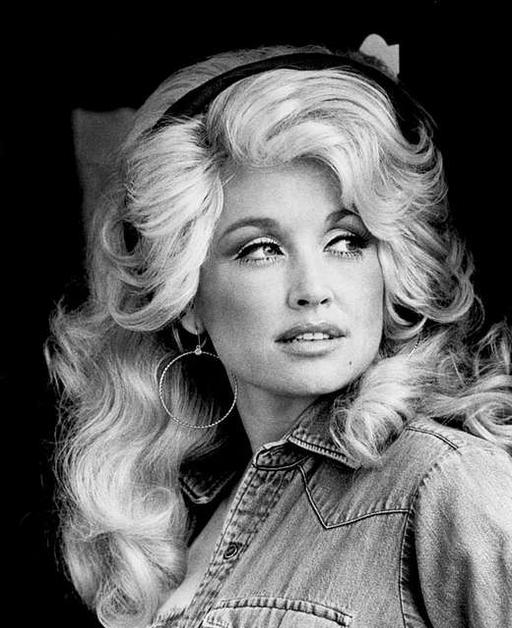
Dolly Parton was a symbol of style and grace, with a heart as big as the hills of her Tennessee mountain home.
It was the summer of 1989, and, as we so often did in those days, my mom packed me into the car and headed for Dollywood. I grew up along the Tennessee–North Carolina state line, just outside Newport, Tennessee. In those parts, Dolly wasn’t simply a country music icon—she was one of our own.
She had risen from humble beginnings in a small mountain cabin tucked into the hills near Pittman Center to become one of the most recognizable stars in country music. By the time I came along in 1983, Dolly had already cemented her place among country music’s greatest legends.
It was during that trip in 1989 that I would get my first firsthand glimpse of the character behind one of country music’s greatest stars.
We arrived at Dollywood early one August morning, ready for a day filled with rides, music, and as much fun as a seven-year-old could possibly squeeze into it. I must have ridden the log flume fifteen times that day—so many times that the ride operator eventually knew me by name. The moment the boat splashed into the water and the ride came to a stop, I was out and racing straight back to the line to do it all over again.
From the log flume to the rapids, I threw my whole little seven-year-old heart into that day. I was soaked, happy, and perfectly content with the routine I had created for myself.
Eventually, though, my mom managed to coax me away from the rides and toward an outdoor stage where Dolly was scheduled to perform. Still dripping wet, I reluctantly followed along. We found our seats, and I settled into the little puddle I had created beneath me.
The opening acts came and went in something of a blur. For a seven-year-old who had just been pulled away from his beloved rides, there wasn’t much there to hold my attention.
And then came Dolly.
On that particular day, Dolly decided to invite a few children from the audience to join her onstage for a song and dance. I’m sure plenty of kids watched with excitement at the thought of being chosen, but that was the furthest thing from my mind. Even before she began calling anyone up, I could feel the butterflies rising in my stomach. The last thing in the world I wanted was to stand on a stage in front of a crowd of people.
I wasn’t allowed to sit with that dread for long before I heard it.
“How about you, sweetheart?” Dolly said, looking in my general direction and pointing. “Why don’t you come on down and join us?”
Surely she must be pointing to someone else, I thought.
But almost as soon as the thought crossed my mind, my mom began nudging me.
“She means you, honey. Go on. You can do this.”
My knees went weak.
Reluctantly, I made my way toward the stage, where a staff member helped me up the steps and Dolly took my hand. We had barely taken our first step when the fear became too much. I pulled away and tried to run for the safety of my seat. I yanked my hand from hers and, too frightened to watch where I was going, missed the first step. I tumbled down all three wooden steps, scraping my knee on the way.
I was frightened, embarrassed, and hurting. The tears began to roll.
Dolly immediately rushed over to make sure I was okay. She stopped the entire show, crouched down on the steps beside me, wrapped me in her arms, and tried to console me. She reminded me that it was okay to be scared sometimes—that all of us get scared.
And then she let me off the hook.
I made my way back toward my mom, who by then had come halfway to meet me. Once we were safely back in our seats, Dolly used her familiar warmth and wit to ease the awkwardness of the moment and make it seem as though nothing terrible had happened at all. Before continuing the show, she invited us to come see her afterward.
When the performance ended, we were taken backstage to her apartment at the park. There, Dolly made sure I was okay and sent me away stocked with reassurance, affection, and plenty of candy.
It may sound like a simple gesture, but it stayed with me.
Plenty of celebrities might have been annoyed by a frightened child bringing their show to a halt. Dolly wasn’t. She seemed to genuinely care about this scared little boy who had interrupted everything. It wasn’t the last time I would see her perform, but it was the only time I ever had the chance to speak with someone who had already become an icon.
As the years passed, that memory came to mean even more to me.
I would eventually come to understand that I was gay, and growing up in a small Southern town left little room for acceptance. In Dolly’s words—her repeated messages of love, kindness, and compassion toward our community—I found a kind of reassurance. The woman who had once stopped a show to comfort a frightened child continued, without ever knowing it, to offer comfort to that same child as he grew up and tried to understand who he was.
That is why losing her this past week felt like something more to me.
It felt like losing a member of the family.
You can read more about Dolly's support of the LGBTQIA+ community as the Advocate pays tribute to an icon.